
It’s tough not to feel like we’re hitting the end of the line with AMC’s now nearly 16-year-old The Walking Dead franchise. Yet, as the fourth and final season of Daryl Dixon prepares to premiere, there’s an unexpected gleam of hope in The Walking Dead: Dead City Season 3. Shockingly, this new season manages to breathe fresh life into the series, presenting gleefully fun television and innovative storytelling.
However, it’s not all seamless. New showrunner Seth Hoffman kicks things off by clearing away the remnants of past muddled seasons. The first hour of this season literally puts the main characters, Maggie and Negan, in a hole—a move that metaphorically wipes the slate clean. While the finale reverts to familiar themes of societal battles and ultra-violence, the journey between these bookends is unexpectedly fresh.
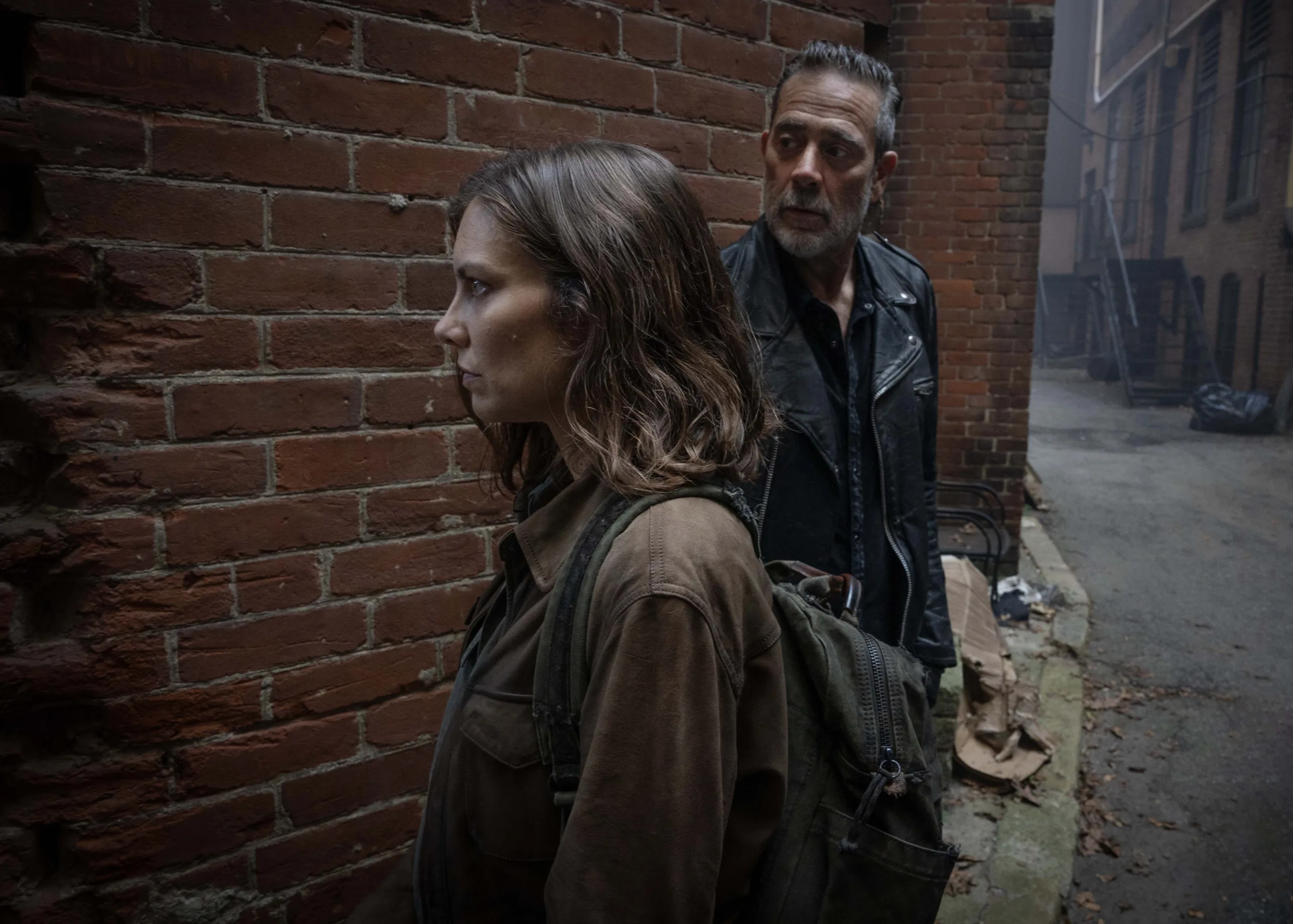
Hoffman reinvigorates the narrative between Maggie and Negan, steering away from past entanglements like the Battle for Manhattan. Instead, the season channels elements reminiscent of The Pitt, Cheers, and Friends, only with zombies. This daring reimagining works largely due to Morgan and Cohan’s vibrant performances. Lauren Cohan, who plays Maggie, shines anew with a lighter, happier portrayal, marking a stark contrast from her previously somber character since Glenn’s death. There’s a nuanced exploration of her happiness and its implications on her late husband’s memory, offering an emotionally rich storyline that surpasses the typical doomsday rhetoric.
Adding depth are Aimee Garcia as Renata and Raul Castillo as her brother Luis. These characters reinvigorate Maggie’s journey, helping her rediscover herself. On the other side, Negan’s dynamic with local bar owner Dillard, played by Jimmi Simpson, builds comedic relief and warmth, offering a fun and engaging subplot.
The structural experimentation this season pays off from a hospital drama episode reminiscent of The Pitt to a whirlwind adventure with Maggie and Luis exploring post-apocalyptic possibilities. The creative risks taken, including a particularly wild episode, might polarize opinion but exemplify bold storytelling that reinvigorates the franchise.
True to The Walking Dead’s roots, the season doesn’t shy away from angst or action. Hoffman’s fresh perspective prompts a concentrated focus on Maggie and Negan’s evolving relationship—a complex weave of respect, need, and unresolved past trauma. Their connection is poignantly portrayed in scenes that distill years of emotional turmoil into powerful, nuanced interactions.
Above all, this season of Dead City brings back a lighter tone missing from earlier seasons. It’s captivating, inventive, and one of the more engaging seasons in recent memory. With the feel that Morgan and Cohan are rediscovering their stride with their characters, there is hope for more episodes beyond this potential series finale.
Fans can catch new episodes of The Walking Dead: Dead City every Sunday beginning July 26, 2026, on AMC and AMC+. Be sure to mark your calendars for each episode.
In a franchise often steeped in darkness, the hope and fun of Dead City Season 3 remind us of the joys of the unexpected. Stay tuned to BlueBoxNERD to get the latest from nerd culture and all things related to The Walking Dead universe.

Join the Nerd Squad 🛸
Trailers the day they drop. Breakdowns before the internet catches up. Reviews without the fluff. Straight to your inbox.
Subscribe FreeRead Originals