
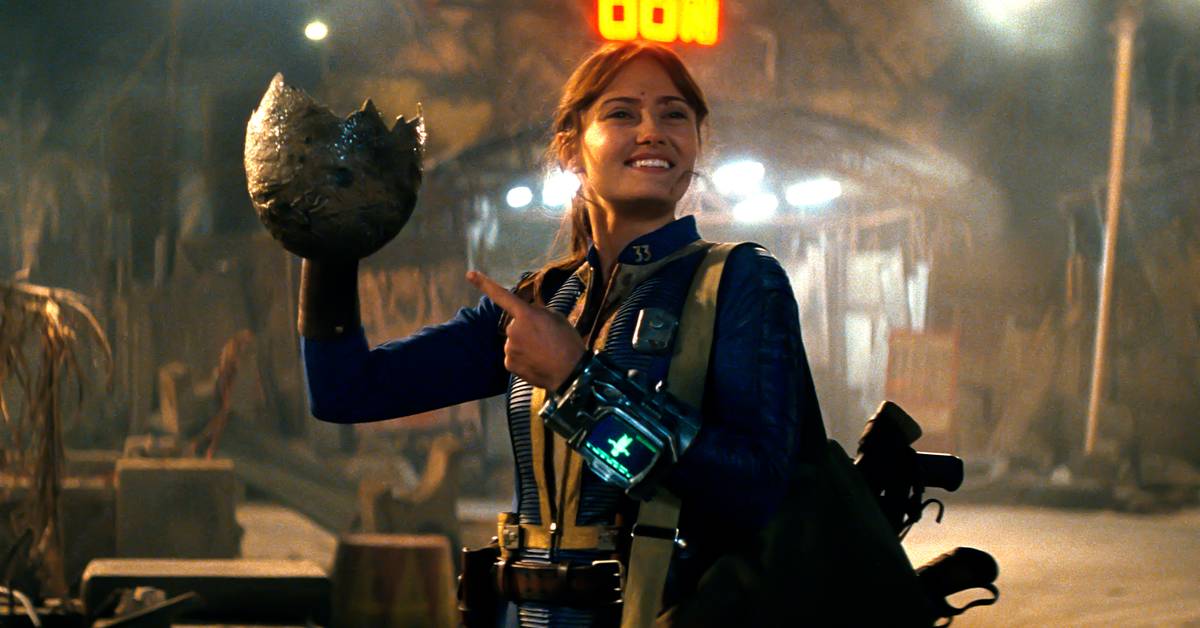
Between its video games and Prime Video show, the Fallout franchise has offered a darkly humorous and chaotic look at a nuclear wasteland. As Season 2 reaches its midpoint, experts are weighing in on how accurately the series represents the aftermath of nuclear war. Dr. Emma Belcher, President of Ploughshares — the world’s largest foundation dedicated to reducing nuclear weapons — brings a uniquely informed perspective to the conversation. Her background as a Public Affairs Officer at the Australian Embassy in Washington, D.C., combined with senior roles in Australia’s Department of the Prime Minister and extensive public commentary on US nuclear policy, makes her assessment especially relevant.
Why Ploughshares’ Dr. Emma Belcher praises Fallout’s realism
Dr. Belcher appreciates that Fallout strikes a balance between fantasy and scientific grounding. She highlights that the show gets one critical detail right: a nuclear landscape is uneven. Some areas can remain relatively habitable while nearby zones remain dangerous for years. That contrast is visually reinforced in the Prime Video series and mirrors real-world fallout patterns, where wind, terrain, and weather produce patchy contamination rather than a uniform apocalypse. For anyone searching online about Fallout realism or nuclear war depiction, that attention to environmental nuance is a key reason experts are taking the series seriously.
Human behavior after catastrophe: nuanced, not cartoonish
One strength Dr. Belcher notes is the writers’ willingness to show a complex spectrum of human responses. Fallout’s Vault Dwellers, Brotherhood of Steel, and Caesar’s Legion are not portrayed purely as monsters or saints; instead, cooperation exists alongside exploitation, misinformation, and power grabs. This aligns with social science research on disasters, which finds that people often help each other but that fear and competition over limited resources can rapidly destabilize communities. For readers interested in post-apocalyptic sociology, Fallout’s depiction of factions, alliances, and ethical dilemmas provides a productive lens for imagining how societies might reorganize after a catastrophic event.
Water, infrastructure, and the hard realities of contamination
Water emerges in the show as a dangerously scarce commodity — and Dr. Belcher says that is both realistic and smart storytelling. Radioactive fallout binds to soil and can wash into rivers and aquifers, contaminating water supplies without any visible warning signs. The series’ emphasis on testing, guarded access to potable water, and the strategic value of water as a tool of power mirrors real public health and security concerns following nuclear incidents. Similarly, Fallout’s portrayal of degraded infrastructure — failing healthcare, unreliable transport, and fractured information networks — is a credible depiction of how interconnected modern systems would unravel and recover unevenly over decades.
Where Fallout leans into fantasy: mutations and timelines
Not everything in Fallout aims for strict realism, and Dr. Belcher is clear that mutated creatures and rapid-onset transformation are exaggerated for dramatic effect. Real-world radiation exposure typically produces delayed health impacts such as cancers, organ damage, and genetic harm that unfold over years and even generations, rather than the immediate physical mutations common in the games and show. That said, the franchise still gets a vital concept right: nuclear risk extends far beyond the instant of the blast. Long-term environmental and health consequences make survivorship an ongoing challenge across generations.
Games, VR, and the power of pop culture to educate
Ploughshares has intentionally invested in storytelling platforms like video games and virtual reality to engage new audiences about nuclear risks. Dr. Belcher notes that interactive media bring younger people into the conversation in ways that technical reports and policy briefs do not. Fallout, whether in Bethesda’s original games or in the Prime Video adaptation, humanizes the consequences of nuclear failure and makes them feel personal. For those looking to increase nuclear awareness, pop culture acts as an entry point to separate fear from practical action: nuclear war is not inevitable, and public engagement can help build momentum for prevention.
What this means for fans and skeptics
For Fallout fans curious about how the show stacks up against reality, the verdict is mixed but encouraging. The series excels at depicting uneven contamination zones, social fragmentation, the strategic importance of resources like water, and the slow collapse of modern infrastructure. Where it departs from real science is in the pace and visibility of radiation-induced mutations. Those narrative liberties keep the show entertaining while still prompting viewers to think critically about nuclear risks.
Explore more Fallout season 2 and Ploughshares coverage, including interviews with Walton Goggins, Aaron Moten, Jonathan Nolan and the Fallout Fan Celebration organizers, plus Dr. Belcher’s thoughts on how Denis Villeneuve’s adaptation of Annie Jacobsen’s Nuclear War: A Scenario could compare with other realistic takes like A House of Dynamite
Stay tuned to BlueBoxNERD to get the latest from nerd culture.

Join the Nerd Squad 🛸
Trailers the day they drop. Breakdowns before the internet catches up. Reviews without the fluff. Straight to your inbox.
Subscribe FreeRead Originals