
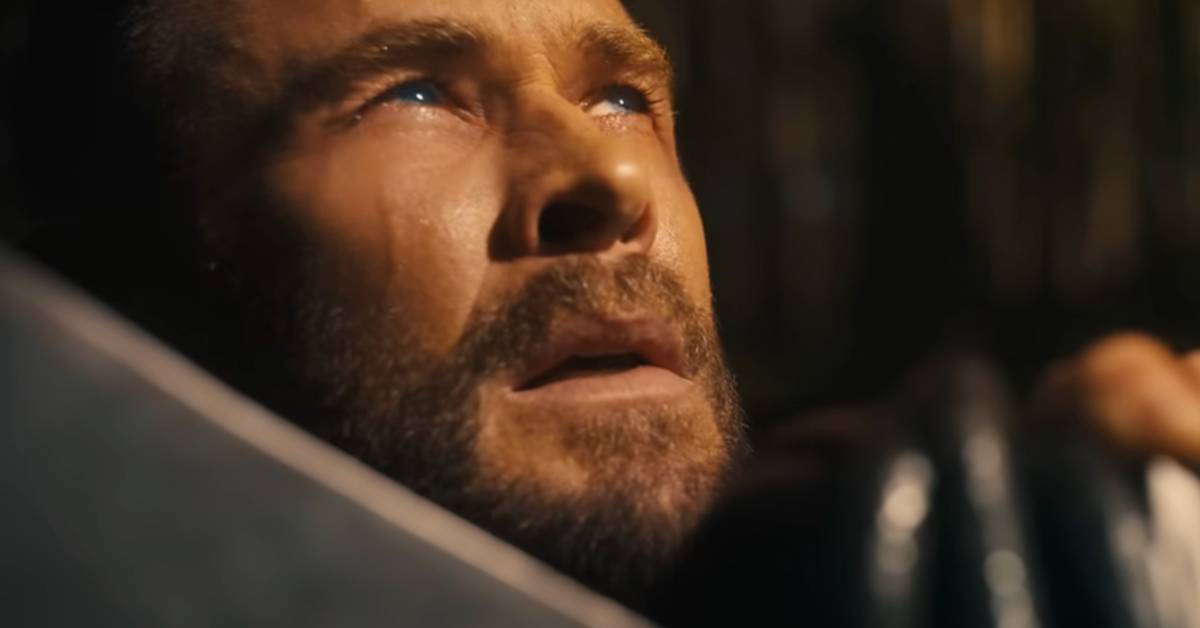
Marvel Studios’ marketing for Avengers: Doomsday has been anything but traditional, and the reaction to its latest teasers reveals a seismic shift in how audiences engage with the Marvel Cinematic Universe. Rather than a single, spectacle-heavy trailer, Marvel released a series of intimate character teases. The Steve Rogers and Thor spots were quiet, character-driven moments that honored legacy but failed to ignite the viral frenzy fans once expected. Then the X-Men teaser arrived, and everything changed — exposing both opportunity and risk for the MCU.
An unconventional marketing gambit
Avengers: Doomsday’s rollout has leaned into micro-trailers, each focused on a corner of the MCU. The Steve Rogers teaser surprised viewers with a subdued, emotional beat: an older Steve tenderly cradling a baby and unpacking his old Captain America uniform. The Thor teaser followed with Thor in a contemplative mood, praying to Odin over the responsibility of raising his adoptive daughter, Love. Both spots prioritized character and nostalgia over spectacle.
Those teases sparked conversation, but the buzz felt different — reflective, not frenzied. They acted like reminders of high points from the MCU timeline rather than invitations to new, must-see events. That’s stressful for a franchise used to trailer reactions translating directly into cultural ubiquity.
The X-Men teaser that changed the conversation
The third teaser, centered on Fox’s X-Men, became the runaway hit of the campaign. Featuring Patrick Stewart’s Professor Xavier, Ian McKellen’s Magneto, and James Marsden’s Cyclops, the clip quickly dominated social feeds. Social media engagement spiked, reaction videos proliferated, and online discussion threads lit up.
There are clear reasons for this response. For decades, fans speculated about how mutants would be integrated into the MCU. Seeing Fox-era X-Men characters positioned within the Marvel Cinematic Universe for the first time made the crossover feel immediate and consequential. Stewart and McKellen reprising their iconic roles brought gravitas and nostalgia. But it was Marsden’s Cyclops who stole many headlines — finally in a comic-accurate costume and shown using optic blasts that are raw, powerful, and visually uncompromising. Where Fox’s films often restrained Cyclops, this teaser reframed him as a genuine powerhouse, offering a satisfying course correction that felt long overdue.
Why the X-Men teaser’s hype matters
The disproportionate response to the X-Men teaser exposes an important shift: audiences no longer react to MCU returns the way they once did. Steve Rogers and Thor are beloved, but their return feels like revisiting completed arcs. Fans have largely accepted those characters’ endings, so revisiting them risks diminishing what came before rather than expanding it.
In contrast, the X-Men teaser delivers novelty wrapped in emotional familiarity. These characters didn’t originate inside the MCU; they carry decades of film and comic history that fans already love. Introducing them to the MCU taps into cross-generational nostalgia and the thrill of seeing pre-MCU icons recontextualized. That dynamic explains why a short, focused teaser could outperform character-driven spots for legacy MCU heroes.
What this shift means for the MCU
This surge of interest around non-MCU characters is a mixed omen. On one hand, it proves Marvel can still generate massive excitement. On the other, it highlights a waning gravitational pull around the MCU’s existing core roster. If the most talked-about moments are imported characters rather than original MCU creations, it suggests the franchise’s cultural momentum has slowed. Fans appear hungrier for newness or for beloved characters being reintroduced on a grand stage.
That’s not necessarily catastrophic. It may simply indicate that the MCU is ready for reinvention. After more than a decade of interconnected storytelling, fatigue is natural. The challenge for Marvel Studios is converting that appetite for novelty into sustained interest in a new generation of MCU characters.
Why focusing on the X-Men could save the franchise
Ironically, the X-Men teaser’s success might be the very thing that revitalizes the MCU. Marvel Studios seems to recognize where the excitement is concentrated. Reports that the next major arc will center on a Mutant Saga suggest a strategic pivot toward the X-Men that could reinvigorate the franchise.
Using Avengers: Doomsday and Avengers: Secret Wars to deliver a respectful celebration and closure for Fox-era X-Men could be savvy. It gives longtime fans the emotional payoff they crave while allowing Marvel to reset expectations. Kevin Feige’s indication that mutants will be central to the next saga opens the door for fresh reinterpretations — brand-new versions that can stand on their own without being endlessly compared to Fox performances.
The key will be balance. Marvel must honor the nostalgia and performances that fans adore while creating distinct, modern takes that expand the MCU’s storytelling potential. If the studio can do that, the X-Men integration may not only satisfy retro fandom but also catalyze a bold new phase that reestablishes the MCU as essential viewing.
Final thoughts
The Avengers: Doomsday teaser campaign has done something valuable: it revealed what audiences truly want right now. They want novelty that respects the past, characters that feel consequential, and storytelling that doesn’t merely echo old triumphs. The X-Men teaser’s runaway success is both a warning and an opportunity. It warns that relying on legacy MCU properties alone may no longer be enough. It offers the opportunity for Marvel to reshape its future with mutants at the center, using nostalgia as a bridge to fresh, emotionally resonant storytelling.
Stay tuned to BlueBoxNERD to get the latest from nerd culture.

Join the Nerd Squad 🛸
Trailers the day they drop. Breakdowns before the internet catches up. Reviews without the fluff. Straight to your inbox.
Subscribe FreeRead Originals